7 Weight Loss Habits That Keep You Looking 10 Years Younger
Discover science-backed weight loss habits that slow aging while burning fat. Our South African personal trainers reveal the secrets to looking younger through smart fitness routines.
Loraine Berriman
6/27/20256 min read
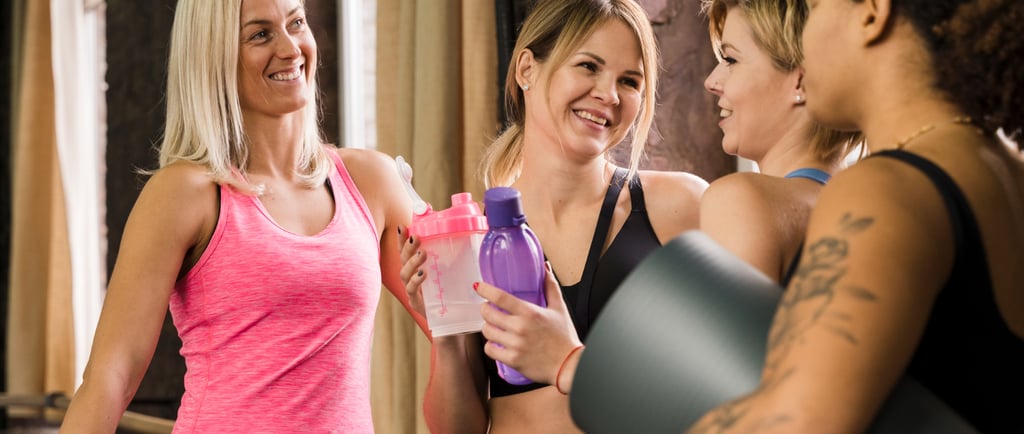

Online weight loss programs that also help you look younger are built from habits that protect muscle, reduce body fat, and lower chronic inflammation. Focus on resistance training, enough protein, good sleep, daily movement (NEAT), and a Mediterranean-style eating pattern. Together, they preserve muscle and reduce belly fat, the key to looking younger.
Five key facts:
Resistance training improves strength, reduces fat mass and improves physical function in older adults (Eur Rev Aging Phys Act, Nov 2021).
Expanding nightly sleep by ~1 hour lowers daily energy intake and supports a negative energy balance (JAMA Internal Medicine, Feb 2022).
Mediterranean-style diets consistently link to lower body fat, better metabolic health, and lower all-cause mortality (JAMA Network Open, May 2024).
Older adults benefit from higher protein intakes (about 1.0–1.2 g/kg/day) to preserve lean mass during weight loss (Frontiers in Nutrition, May 2024).
Small daily movements (NEAT) can add substantial calorie burn and help prevent weight regain; clinical reviews highlight NEAT as a practical obesity strategy (Mayo Clin Proc, Apr 2015).
Do you want to lose fat without losing the tone and posture that make you look younger? Smart weight loss keeps or builds muscle while trimming fat. That combination is what makes you look tighter, healthier, and years younger.
If your aim is to lose weight and look younger, treat body composition as the priority. Losing fat while keeping or adding lean muscle is the single best strategy to retain a youthful shape. The practical path combines five habits: progressive resistance training to protect and build muscle, enough daily protein to support muscle synthesis, consistent sleep to reduce energy intake and hormone disruption, a Mediterranean-style diet rich in vegetables and healthy fats, and higher daily movement (NEAT) to increase total energy expenditure. Together these habits lower visceral fat, improve skin tone indirectly via better circulation and reduced inflammation, and maintain posture and strength. Evidence shows resistance training reduces fat mass and improves strength in older adults, higher protein preserves lean mass during calorie deficits, and improved sleep reduces calorie intake, so these are not trends, they are science-backed building blocks for looking younger while losing weight.
As personal trainers in South Africa, we've worked with hundreds of clients who've discovered that the same habits that help you lose weight also keep you looking vibrant and youthful. Here are seven science-backed strategies that deliver double benefits.
1. Start Your Day with Strength Training
The Weight Loss Connection: Strength training burns calories during and after your workout through EPOC (excess post-exercise oxygen consumption). You'll continue torching calories for up to 24 hours post-workout.
The Anti-Aging Benefit: Resistance training stimulates collagen production, keeping your skin firm and reducing sagging. It also maintains muscle mass, which naturally declines with age.
Action Step: Incorporate 20-30 minutes of bodyweight exercises or weight training 3-4 times weekly. Start with squats, push-ups, and planks if you're new to fitness.
2. Master Your Sleep Schedule for Fat Burning
The Weight Loss Connection: Poor sleep disrupts leptin and ghrelin, your hunger and satiety hormones. Studies show people who sleep less than 6 hours nightly are 30% more likely to be obese.
The Anti-Aging Benefit: During deep sleep, your body produces growth hormone, which repairs tissues and maintains skin elasticity. Quality sleep also reduces cortisol, preventing premature aging.
Action Step: Establish a consistent bedtime routine. Aim for 7-9 hours nightly and avoid screens 1 hour before bed.
3. Prioritize Protein at Every Meal
The Weight Loss Connection: Protein has the highest thermic effect of all macronutrients, meaning you burn more calories digesting it. It also keeps you fuller longer, reducing overall calorie intake.
The Anti-Aging Benefit: Amino acids from protein are building blocks for collagen, elastin, and keratin – the proteins that keep skin, hair, and nails healthy.
Action Step: Include lean protein sources like chicken, fish, eggs, or plant-based options at every meal. Aim for 0.8-1g per kg of body weight daily.
4. Stay Hydrated for Metabolic Boost
The Weight Loss Connection: Drinking water before meals can reduce calorie intake by up to 13%. Proper hydration also supports optimal metabolic function and helps eliminate toxins.
The Anti-Aging Benefit: Hydrated skin appears plumper and more radiant. Water helps transport nutrients to cells and flushes out waste products that can cause inflammation.
Action Step: Start each day with a large glass of water and aim for 2-3 liters throughout the day. Add lemon for extra vitamin C and flavor.
5. Incorporate HIIT Training Weekly
The Weight Loss Connection: High-Intensity Interval Training (HIIT) burns more calories in less time compared to steady-state cardio. It also increases your metabolic rate for hours after exercise.
The Anti-Aging Benefit: HIIT stimulates the production of human growth hormone and improves cardiovascular health, both crucial for maintaining youthful energy and appearance.
Action Step: Try 15-20 minute HIIT sessions twice weekly. Alternate between 30 seconds of high intensity and 30 seconds of rest.
6. Manage Stress Through Movement
The Weight Loss Connection: Chronic stress elevates cortisol levels, promoting belly fat storage. Exercise naturally reduces stress hormones while releasing feel-good endorphins.
The Anti-Aging Benefit: High cortisol breaks down collagen and accelerates cellular aging. Regular exercise combats this by promoting better stress management and hormone balance.
Action Step: Find physical activities that bring you joy – dancing, hiking, swimming, or yoga. The key is consistency, not perfection.
7. Fuel Your Body with Anti-Inflammatory Foods
The Weight Loss Connection: Whole foods are naturally lower in calories and higher in nutrients, supporting sustainable weight loss. They also stabilize blood sugar, reducing cravings.
The Anti-Aging Benefit: Antioxidant-rich foods fight free radicals that cause cellular damage and premature aging. Omega-3 fatty acids support skin health and reduce inflammation.
Action Step: Fill half your plate with colorful vegetables, include berries daily, and add fatty fish like salmon twice weekly.
The Personal Training Advantage
While these habits seem straightforward, implementing them consistently requires guidance and accountability. This is where working with a qualified personal trainer becomes invaluable.
At The Fitness Edit, our South African-based trainers specialize in creating personalized weight loss programs that incorporate these anti-aging benefits. Whether you prefer in-person sessions or online personal training, we'll help you build sustainable habits that transform both your physique and how you feel in your own skin.
Your Next Steps to Youthful Weight Loss
Start small by choosing one habit from this list and focus on it for two weeks before adding another. Sustainable weight loss and anti-aging aren't about quick fixes; they're about creating a lifestyle that supports your goals long-term.
The beauty of these strategies is that they work synergistically. As you lose weight through proper training and nutrition, you'll naturally look more youthful. As you prioritize sleep and stress management, your weight loss efforts become more effective.
Ready to combine weight loss with anti-aging benefits? Contact The Fitness Edit today to discover how our personalized approach to fitness can help you look and feel your absolute best.
FAQ's
Q1: Which habit most directly helps me look younger while losing weight?
A1: Preserve and build muscle while losing fat. That means regular resistance training plus enough protein during your calorie deficit. Holding muscle prevents the “skinny but soft” look and supports a posture that reads as younger.
Q2: How much protein should I eat while trying to lose weight and keep muscle?
A2: A practical target for most older adults is 1.0–1.2 grams per kilogram of bodyweight per day. If you are very active or recovering from illness, 1.2–1.5 g/kg may be useful. Spread protein across meals to help muscle synthesis.
Q3: Can better sleep really help with weight loss?
A3: Yes. A randomized trial showed that extending sleep reduced daily energy intake and produced a negative energy balance. Better sleep helps control appetite hormones and reduces mindless snacking.
Q4: What small movement habits make the biggest difference?
A4: Non-exercise activity thermogenesis habits: stand more, take short walking breaks, choose stairs, and fidget-friendly tasks. Clinical reviews show NEAT can add meaningful calorie burn and help prevent weight regain.
Further reading on TheFitnessEdit.co.za: 'The Hidden Key to Weight Loss Beyond Calories.'
You can also read about 'Why Online Personal Training is The Future of Fitness and Weight Loss.'
References
Chen N., et al. Effects of resistance training in healthy older people with sarcopenia: systematic review and meta-analysis. Eur Rev Aging Phys Act. Nov 11, 2021. https://pubmed.ncbi.nlm.nih.gov/34763651/ PubMed
Tasali E., et al. Effect of sleep extension on energy intake among adults with overweight: randomized trial. JAMA Intern Med. Published online Feb 7, 2022. https://jamanetwork.com/journals/jamainternalmedicine/fullarticle/2788694 JAMA Network
Ahmad S., et al. Mediterranean diet adherence and risk of all-cause mortality in women. JAMA Netw Open. Published online May 31, 2024. https://jamanetwork.com/journals/jamanetworkopen/fullarticle/2819335 JAMA Network
Groenendijk I., et al. Discussion on protein recommendations for supporting muscle and bone health in older adults: a mini review. Front Nutr. May 22, 2024. https://pmc.ncbi.nlm.nih.gov/articles/PMC11150820/ PubMed Central
Villablanca PA., et al. Nonexercise Activity Thermogenesis in Obesity Management. Mayo Clin Proc. Apr 2015. https://www.abom.org/wp-content/uploads/2018/10/Nonexercise-Activity-Thermogenesis.pdf
The information provided in this blog post is intended solely for informational purposes. It is not meant to replace professional medical advice, diagnosis, or treatment. Consult health care providers for personalised medical advice and treatment options related to specific health concerns.
About The Author
Loraine is an International Personal Trainer certified through Trifocus Fitness Academy (South Africa). She believes fitness should be accessible to everyone, regardless of age or starting point, and focuses on creating programs that fit real lives, not the other way around.
© 2025 Elevate Wellness Co. Pty Ltd. All rights reserved
Local Mobile Coaching